Montessori Education
You will have discovered with your own child that children have incredibly absorbent minds. They are fascinated by and want to learn about the wonderful world around them. The Montessori school uses, at a very early age, this amazing receptiveness to lay the foundations for learning now and in the future.
Montessori Philosophy

What is Montessori
Montessori is a gentle, child-led approach to learning that helps children become confident, independent, and curious. Instead of being told what to do all the time, children are encouraged to explore, make choices, and learn at their own pace; supported by caring, experienced staff.
Why do our parents choose Montessori?
What does our Montessori day look like?
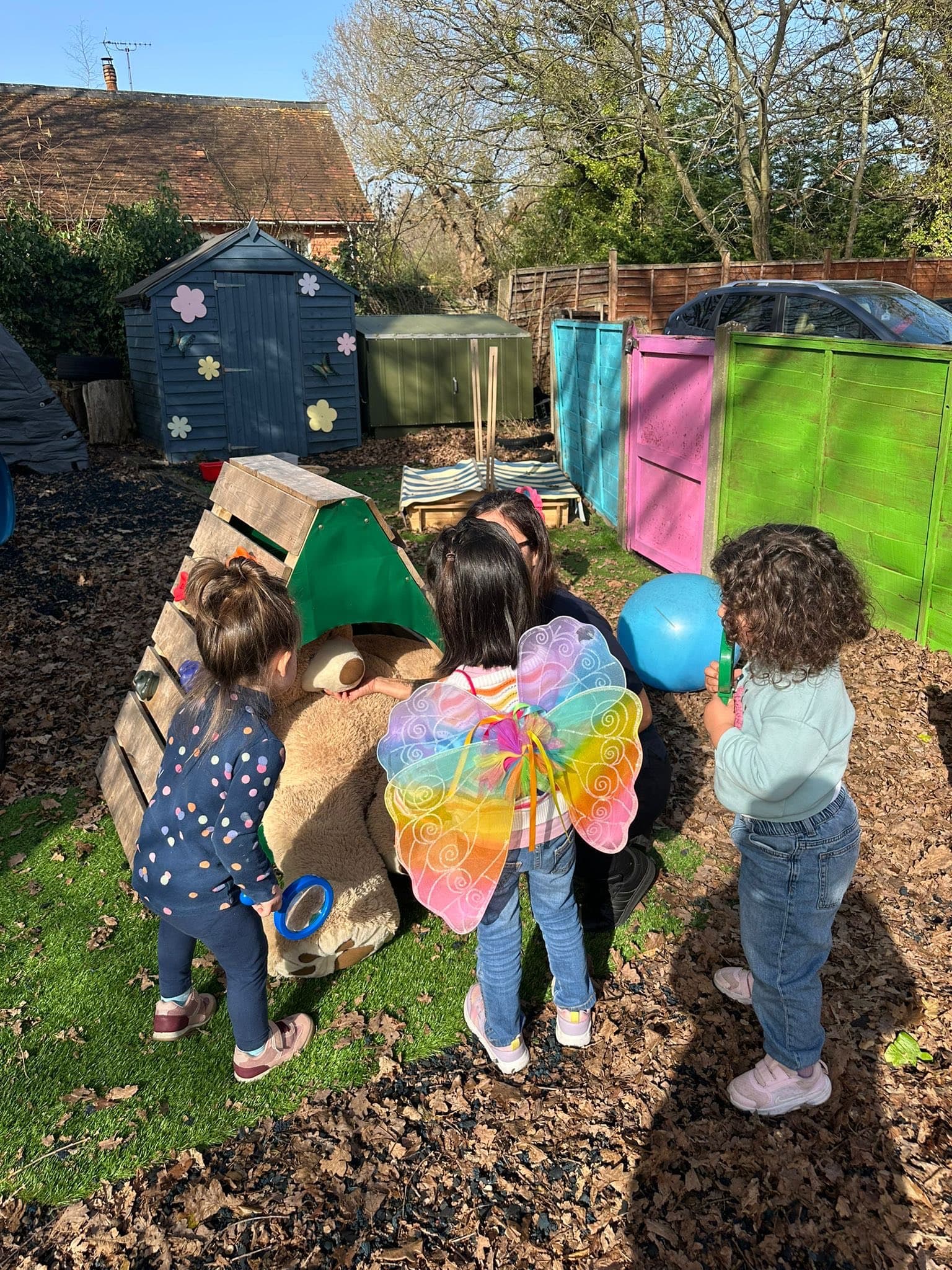
In our setting, children choose from a range of carefully prepared activities designed to support their development. They might be exploring numbers, practising practical life skills, or working with hands-on materials that build coordination and concentration. Our staff gently guide and support each child, helping them grow in confidence while enjoying their learning.
More than just learning?
Montessori isn’t just about education, it’s about helping your child feel capable, confident, and happy. We create an environment where children feel safe to try, make mistakes, and succeed in their own time.
Is Montessori right for my child?
Montessori works for all children. Whether your child is naturally confident or a little more reserved, our approach supports them as individuals and helps them thrive.